


A magic place
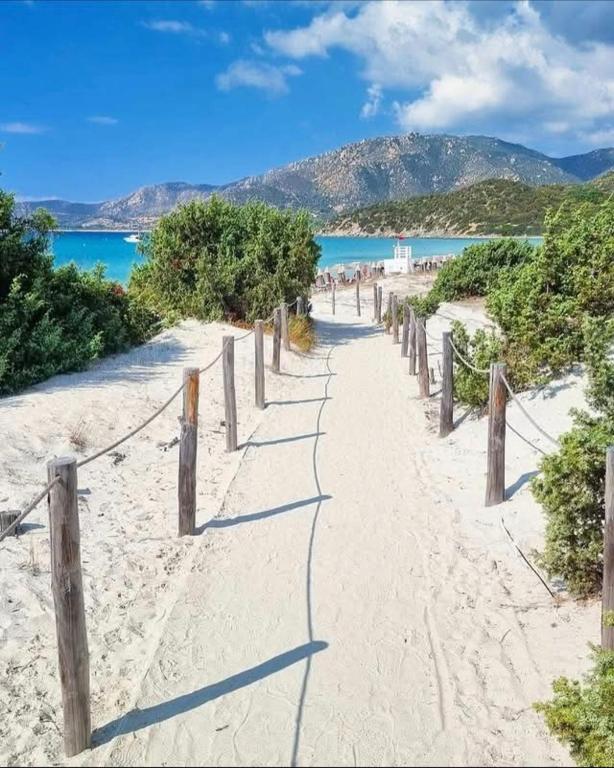
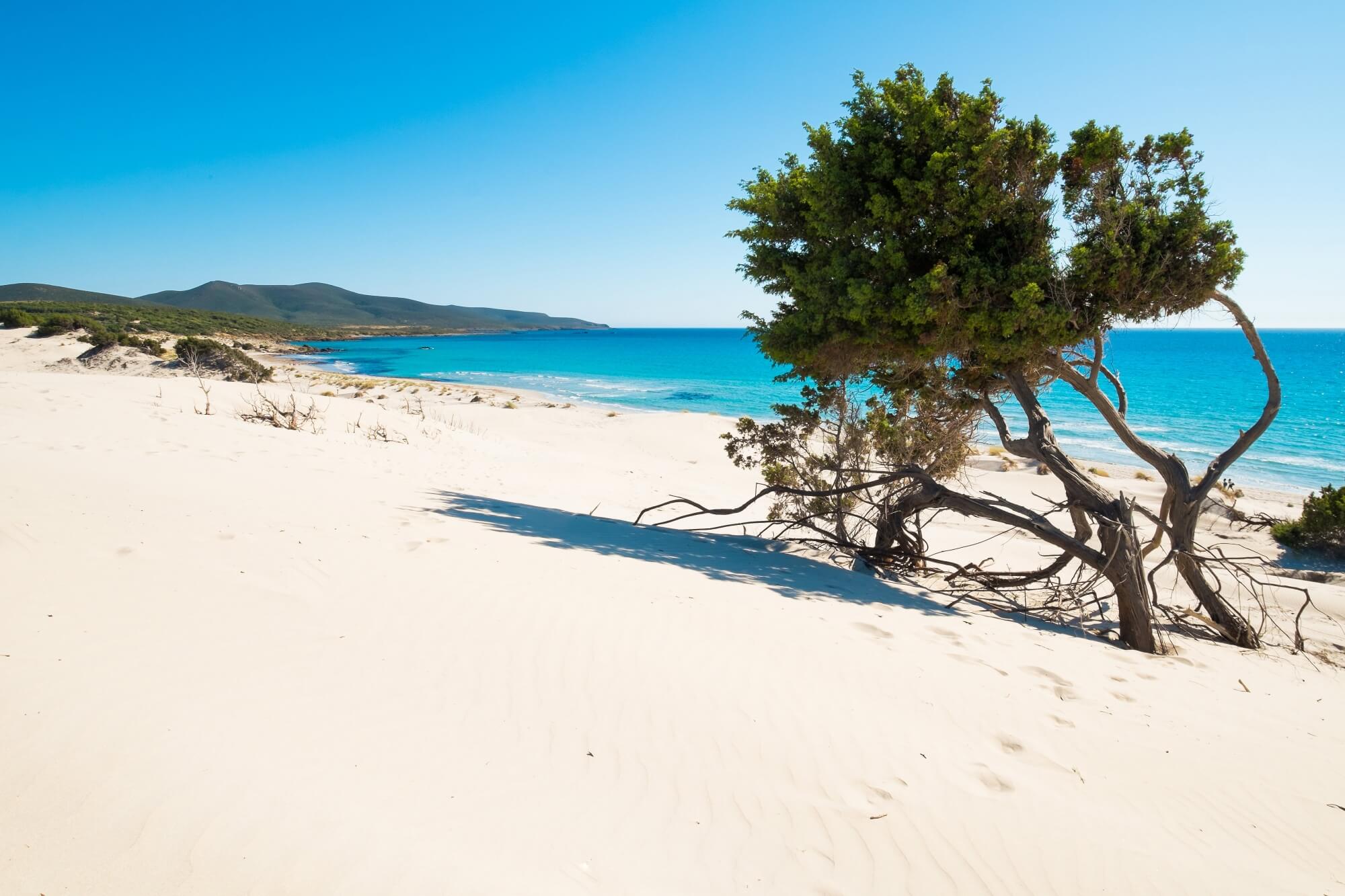
Villasimius, a small town where the scent of the sea can be felt at every step, through the streets and in the houses. The sun kisses and embraces the low houses surrounded by Mediterranean scrub, where the scent of the sea blends with that of myrtle, juniper, and helichrysum.
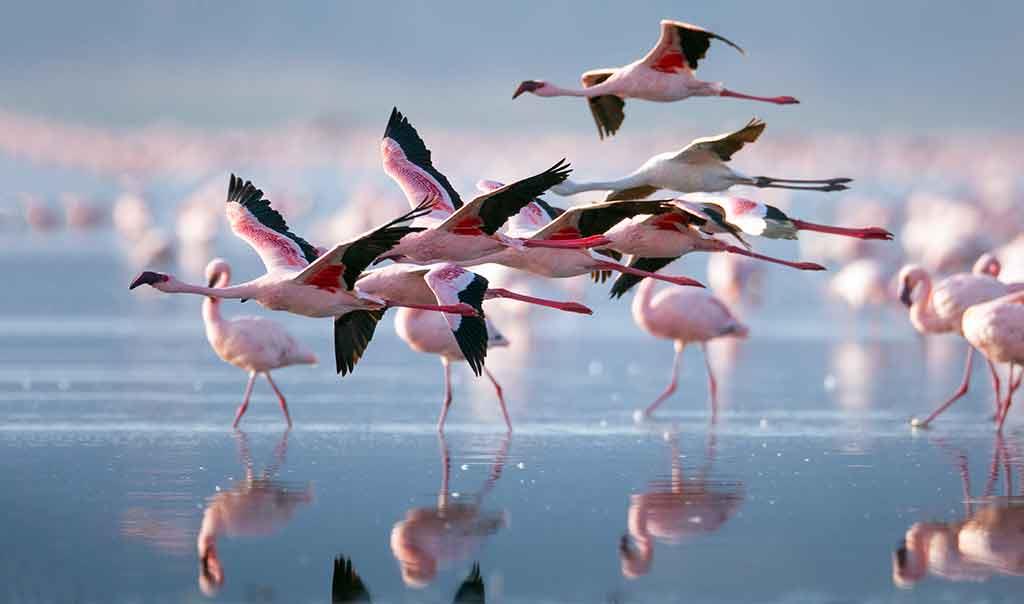
Nature in this extraordinary place has been truly generous, not only with its scents.
Here lies true beauty, the kind that takes your breath away, when dawn begins to illuminate the marvelous beaches and the greenery of nature with colors, until sunset, when a golden blanket illuminates everything, making it shine like a Sardinian filigree jewel.






The story
Villasimìus has an ancient history that dates back to the dawn of time. Its first inhabitants were probably the Punics, then the Nuragic and Romans, as numerous surviving testimonies tell us, including the nuraghe and the Phoenician-Roman settlement of Cuccureddus.
Frequent pirate raids, which continued even during the Giudicato, Aragonese and Spanish periods, caused the area to become depopulated and remain desolately deserted, "inhabited" only by the defensive towers built by the Aragonese to protect the coast, rich in water, and the flocks that grazed on the land near the sea.
The name Carbonara, the old name of Villasimìus, probably dates back to 1700, due to the production of coal throughout the area, which was then shipped from the ancient port of Rio Foxi. This area was revived by General Antonio Incani, who was granted a concession to it in 1820. Thanks to the activity of a group of peasant families who moved to the Carbonara lands, the new urban agglomeration grew rapidly. In 1862, by royal decree, the name of the town was changed from Carbonara to Villasimìus. Until 1950, Villasimius was linked to sheep farming and agriculture, but also to granite quarrying, as evidenced by some now inactive quarries in the area.
Tourism arrived in Villasimius immediately after the 1950s, initially as a destination for famous artists, including Ernst Junger, a German-born writer, who, after staying in Villasimius in May 1954, wrote detailed accounts of this holiday destination in his travel diary, Terra Sarda.
Only in the 1970s did Villasimius become one of the most popular tourist destinations in the Mediterranean, thanks precisely to the beauty of its landscape and beaches, attracting celebrities seeking a quiet holiday away from the spotlight.
The natural and wild beauty of Villasimius was further enhanced by the establishment of the Marine Protected Area in 1998.
Source: www.villasimiusturismo.it


